 Image 1 of 1
Quick Start Highlight
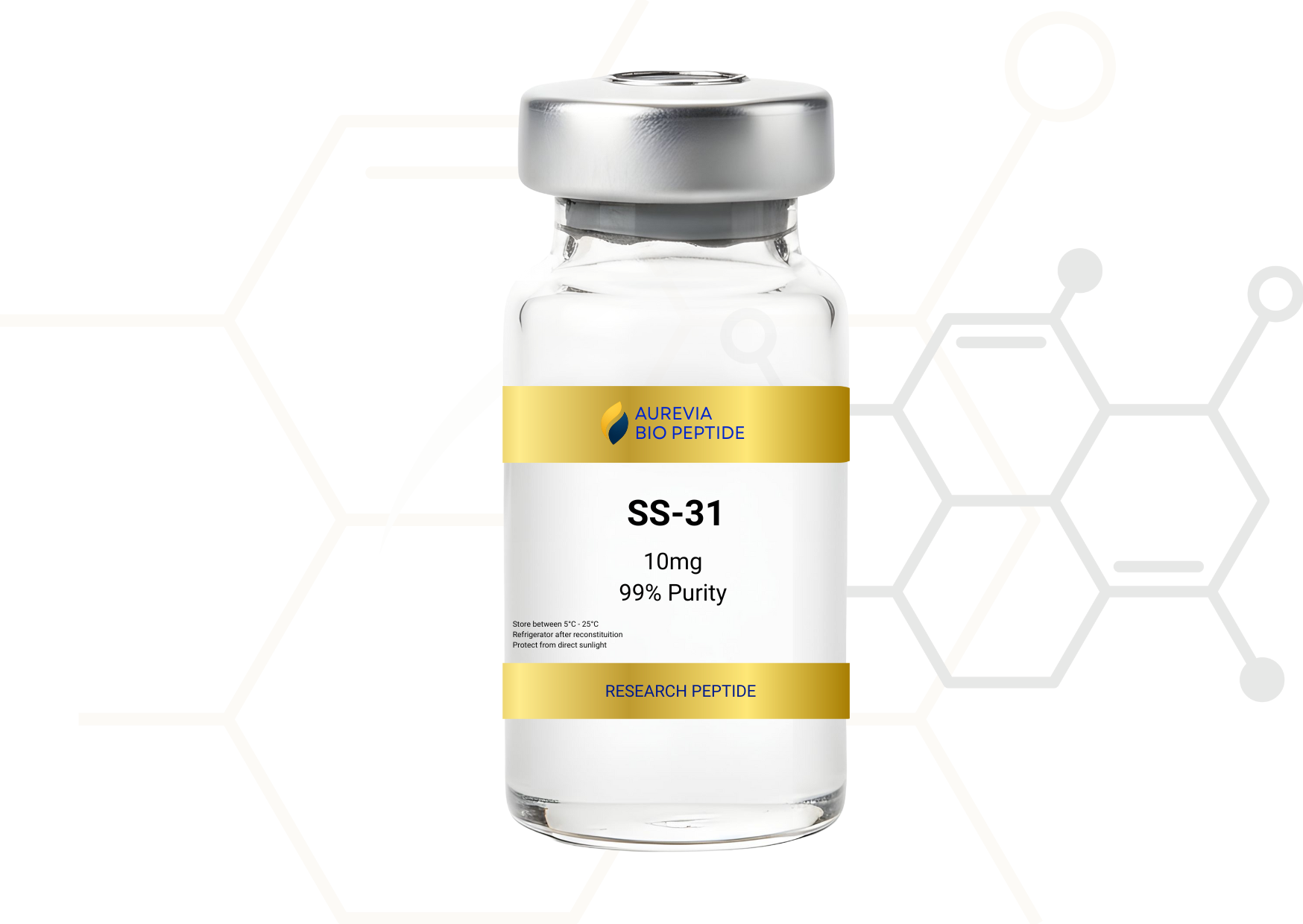
SS-31, also known as elamipretide, is a synthetic tetrapeptide with the sequence D-Arg-Dmt-Lys-Phe-NH2. Unlike many other peptides that work on surface receptors, SS-31 was engineered to specifically target the mitochondria — the energy-producing organelles inside cells.
What makes SS-31 unique is its high affinity for cardiolipin, a phospholipid found in the inner mitochondrial membrane that is essential for maintaining mitochondrial structure and energy production. By binding directly to cardiolipin, SS-31 protects the integrity of the mitochondrial membrane and helps optimize cellular energy output.
Benefits of SS-31
SS-31 has been studied for its ability to restore mitochondrial health, protect cells from damage, and improve energy production. These effects make it valuable not only in clinical research but also in potential applications for recovery, performance, and longevity.
1. Mitochondrial Protection
Stabilizes cardiolipin and preserves mitochondrial structure.
Shields cells from dysfunction caused by aging, stress, or disease.
Maintains the integrity of energy production systems over time.
2. Improved Cellular Energy
Enhances ATP output in tissues with high energy demand, such as muscle and heart.
Supports faster recovery from physical exertion.
May improve stamina and reduce fatigue during prolonged activity.
3. Reduced Oxidative Stress
Lowers the production of harmful free radicals within mitochondria.
Limits DNA, protein, and lipid damage linked to aging.
Reduces systemic inflammation driven by oxidative stress.
4. Neuroprotective Effects
→ Protects neurons from mitochondrial dysfunction.
→ Supports memory, focus, and overall brain health.
→ May slow cellular decline associated with age-related cognitive loss.
5. Muscle Recovery and Endurance
Improves muscle bioenergetics and oxygen utilization.
May help reduce exercise-induced fatigue.
Enhances recovery between training sessions or intense bouts of activity.
6. Anti-Aging Potential
Counters one of the root causes of aging: mitochondrial decline.
Promotes healthier cellular metabolism across multiple organs.
May delay age-related deterioration in performance, vitality, and resilience.
How Does SS-31 Work?
The power of SS-31 lies in its direct targeting of mitochondria, making it one of the few peptides that works inside the cell’s energy center rather than on surface receptors. Its actions revolve around protecting and optimizing mitochondrial function, which influences energy, recovery, and cellular health.
1. Cardiolipin Binding
SS-31 has a strong affinity for cardiolipin, a phospholipid unique to the inner mitochondrial membrane.
Cardiolipin is critical for maintaining mitochondrial structure and supporting the electron transport chain.
By binding to cardiolipin, SS-31 stabilizes the mitochondrial membrane and prevents structural damage.
2. Improves Electron Transport Efficiency
The electron transport chain (ETC) is where ATP, the body’s energy currency, is produced.
SS-31 optimizes the interactions within the ETC, reducing electron “leakage” that causes inefficiency.
This leads to improved ATP production and greater energy availability at the cellular level.
3. Reduces Oxidative Stress
Inefficient mitochondria produce excessive reactive oxygen species (ROS), which damage DNA, proteins, and lipids.
By stabilizing the ETC and cardiolipin, SS-31 reduces ROS generation at the source.
This limits oxidative stress and protects surrounding tissues from chronic inflammation and aging.
4. Enhances Cellular Bioenergetics
Increases the overall output of ATP, giving cells more energy to perform vital processes.
Supports tissues with high energy demand, including the heart, brain, skeletal muscle, and nervous system.
May improve endurance, recovery, and resistance to fatigue.
5. Protects Against Mitochondrial Dysfunction
Mitochondrial decline is linked to aging, neurodegenerative diseases, and metabolic disorders.
SS-31 preserves mitochondrial function even under stress, making it a potential therapeutic tool in both medicine and performance applications.
Potential Side Effects
Overall Tolerability
Most users in research trials report good tolerability.
Designed to work within cells without disrupting systemic hormone balance or immune function.
Considered low-risk compared to many pharmacological agents.
Possible Side Effects
Injection site reactions: Mild redness, irritation, or discomfort are the most common reports.
Transient fatigue or headache: Some studies note mild, temporary effects as the body adapts.
Gastrointestinal issues: Nausea or stomach upset has occasionally been reported.
Dosing & Reconstitution Guide
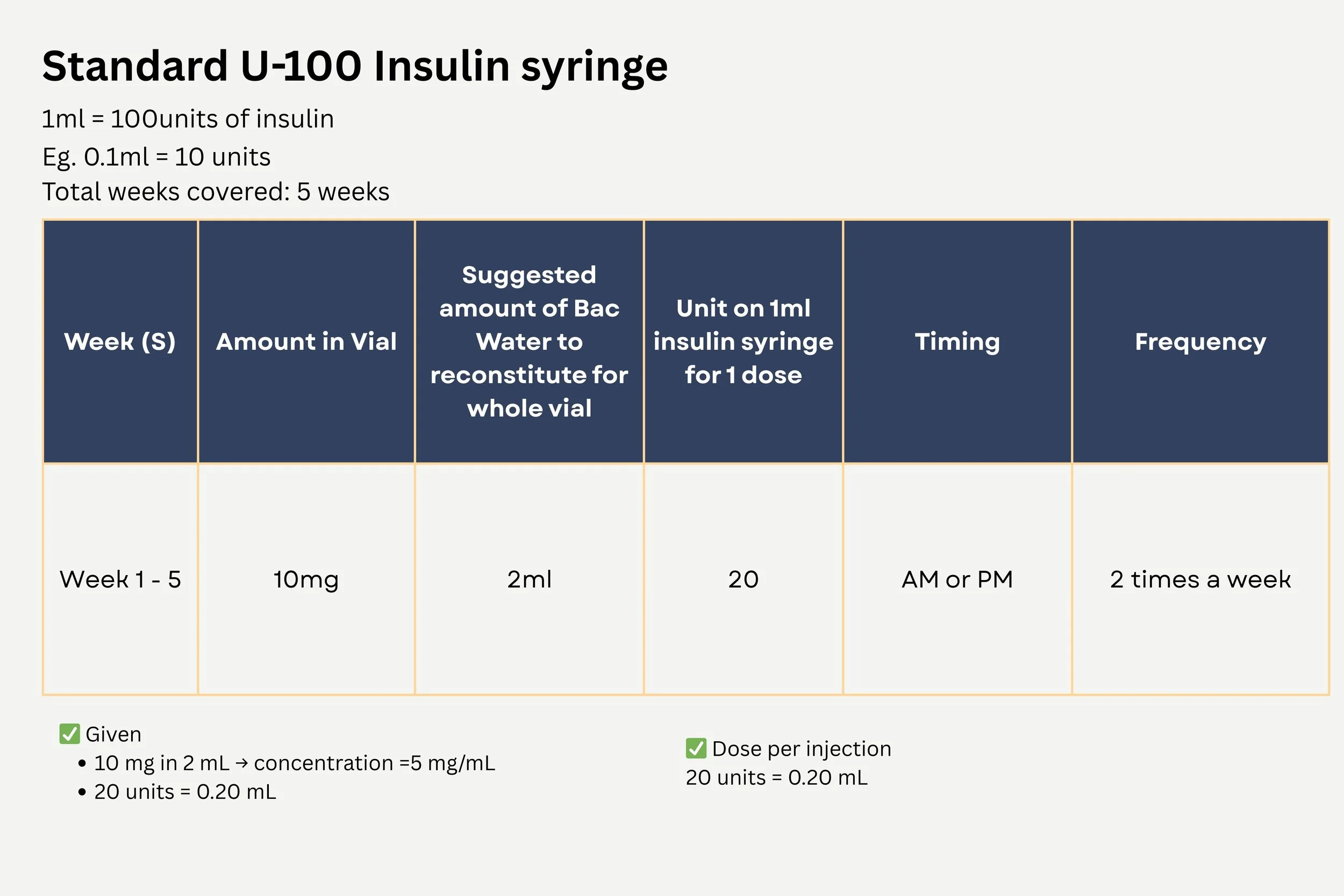
Educational guide for reconstitution and weekly dosing