 Image 1 of 1
Quick Start Highlight
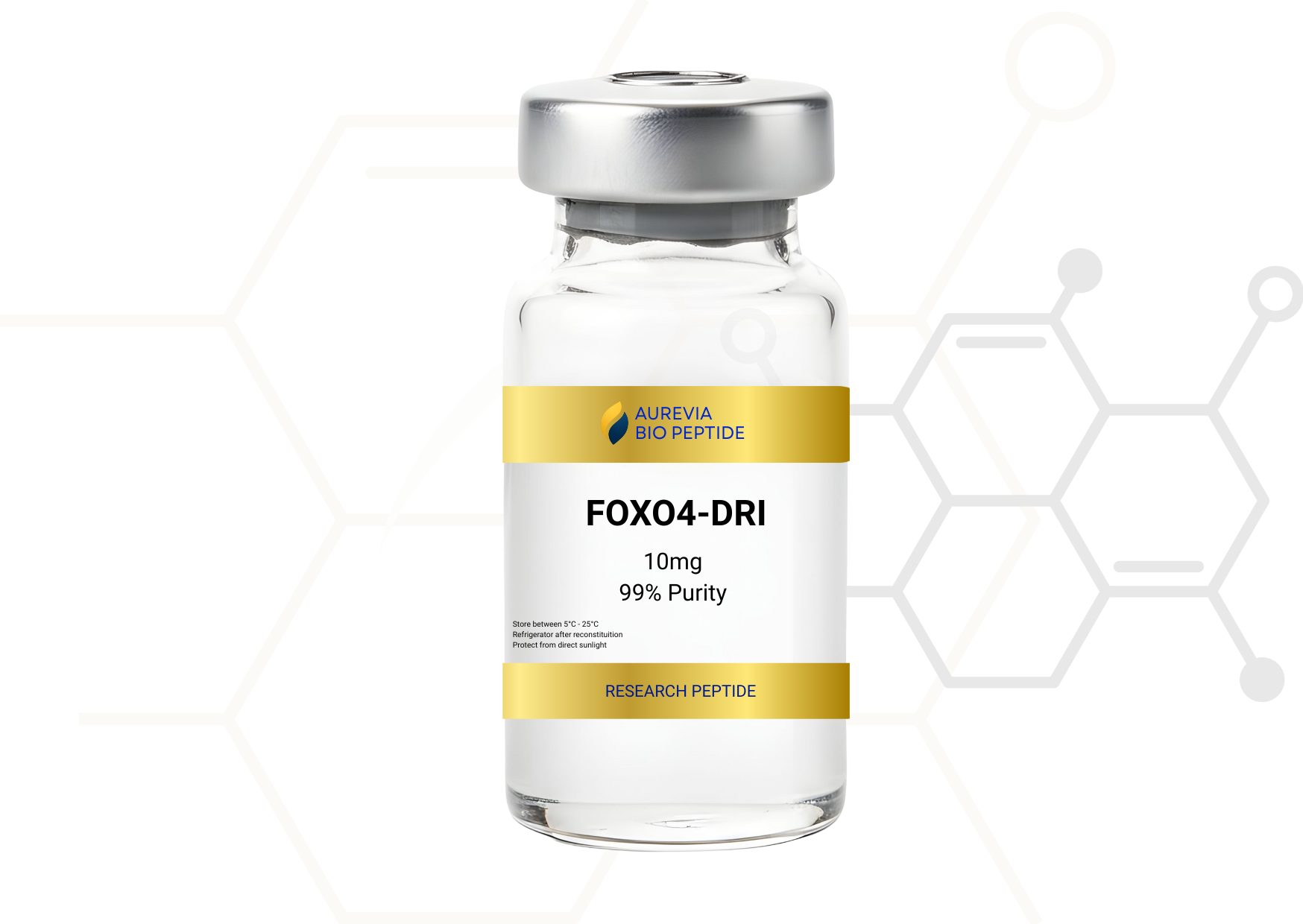
FOXO4-DRI is a senolytic peptide engineered to trigger targeted apoptosis (cell suicide) in senescent "zombie" cells—damaged cells that stop dividing but refuse to die, contributing to aging and age-related diseases. While it has not been proven to grant immortality, studies in mice suggest it may significantly improve healthspan and reverse certain signs of aging.
Benefits of FOXO4-DRI
Selective Senolysis: FOXO4-DRI specifically targets the interaction between FOXO4 and p53 proteins, which keeps senescent cells alive. By disrupting this binding, it forces only the damaged cells to undergo apoptosis, leaving healthy cells unharmed.
Physical Rejuvenation: In naturally aged mice, treatment has been shown to increase running speed, improve physical fitness, and increase fur density.
Restoration of Organ Function: Studies indicate improved renal (kidney) function in fast-aging mice and reduced liver toxicity.
Reduced Inflammation: It decreases the Senescence-Associated Secretory Phenotype (SASP), lowering the chronic, low-grade inflammation that drives many age-related diseases.
Improved Cardiovascular Health: Research indicates it can reduce arterial stiffness (lower Pulse Wave Velocity) and enhance vascular elasticity in old mice.
Increased Testosterone: It has been shown to eliminate senescent Leydig cells in the testes, helping to alleviate age-related testosterone deficiency.
How Does FOXO4-DRI Work?
Senescent cells survive via FOXO4–p53 binding
Normally, the protein FOXO4 binds to p53 inside senescent cells
This binding prevents p53 from triggering apoptosis (programmed cell death), allowing damaged cells to persist
FOXO4‑DRI disrupts this interaction
FOXO4‑DRI is a synthetic peptide designed to break the FOXO4–p53 bond
Once released, p53 can activate the cell’s self-destruct pathway
Selective apoptosis of senescent cells
Only the senescent cells undergo apoptosis
Healthy cells are largely spared, making the process highly targeted
Improved tissue function and reduced inflammation
Removal of senescent cells reduces inflammatory signalling
Healthier cells replace damaged ones, supporting tissue rejuvenation
Key Feature
D-retro-inverso design: Uses D-amino acids in reverse order, improving stability, resistance to enzymatic breakdown, and cellular uptake.
Potential Side Effects
Tissue Stress or Temporary Inflammation
Rapid removal of senescent cells can trigger transient inflammatory responses
May cause mild fatigue or tissue discomfort in theory
Impact on Healthy Cells (Off-Target Effects)
Designed to be selective, but excessive dosing or prolonged use could potentially affect normal cells
Immune System Reactions
Clearance of senescent cells may briefly alter immune signalling or cytokine levels
Dosing & Reconstitution Guide
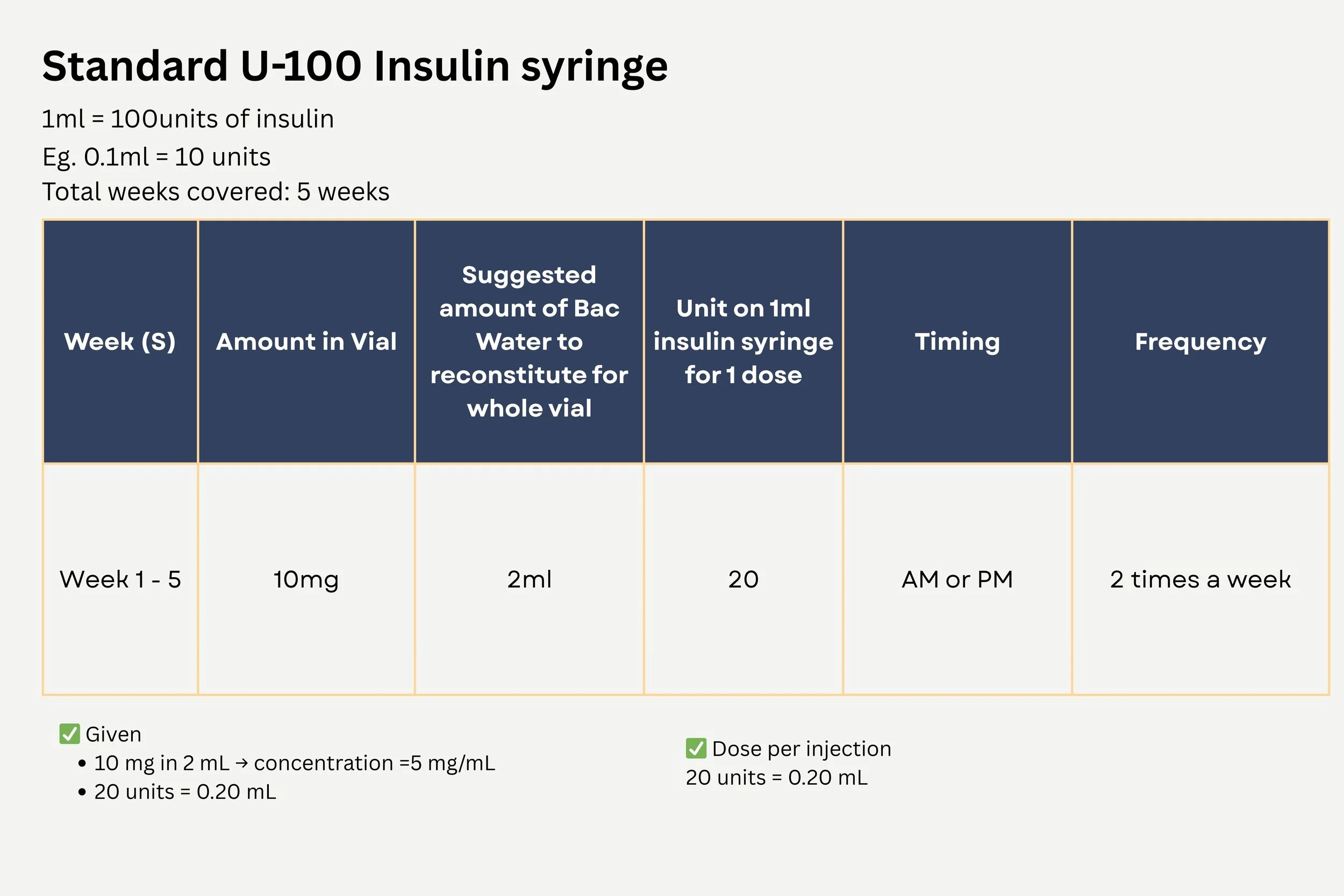
Educational guide for reconstitution and weekly dosing