 Image 1 of 1
QUICK START HIGHLIGHTS
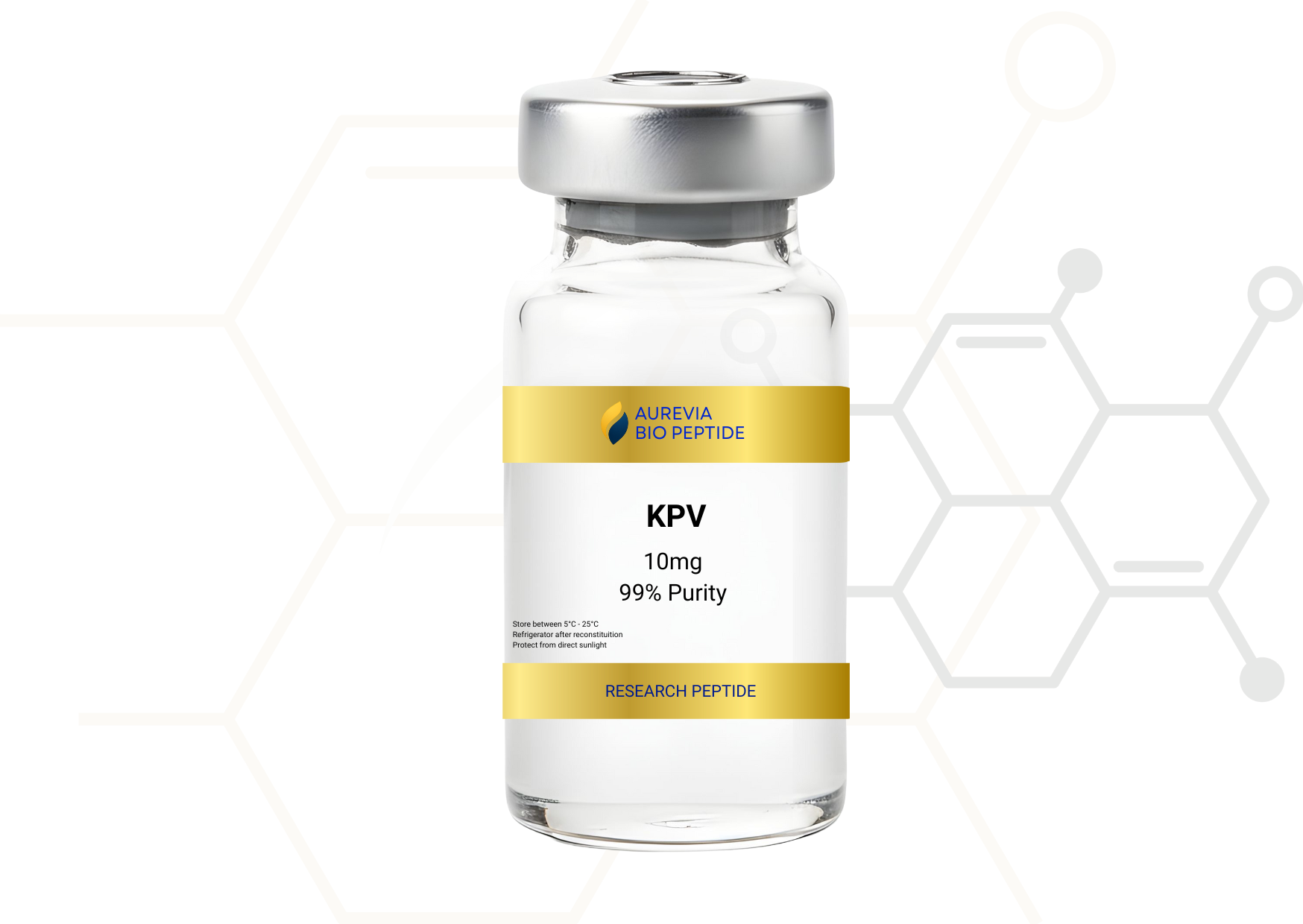
KPV is a tripeptide composed of just three amino acids: Lysine (K) – Proline (P) – Valine (V). It’s derived from the larger peptide hormone alpha-melanocyte-stimulating hormone (α-MSH), a key regulator in immune and inflammatory responses.
Structure: Small, stable, and bioactive. Its simplicity allows it to be delivered in multiple forms, including oral, topical, or injectable research preparations.
Classification: Belongs to the family of melanocortin-derived peptides, with activity tied to the melanocortin receptor system (especially MC1R and MC3R), which influences inflammation, pigmentation, and metabolism.
Purpose: While α-MSH has wide-ranging effects, the KPV fragment retains strong anti-inflammatory properties without the hormonal baggage of its parent molecule.
Think of KPV as the “business end” of α-MSH—a compact piece carrying the peptide’s inflammation-fighting capability while stripping away functions not needed for therapeutic or research use.
Benefits of KPV
KPV has attracted attention because of its wide-ranging effects on inflammation control, tissue repair, and immune balance. Unlike blunt anti-inflammatories, it works as a regulator—restoring equilibrium without fully suppressing the immune system.
Gut Health & Inflammation
Supports intestinal barrier integrity, reducing the risk of “leaky gut.”
Calms inflammatory bowel responses, showing potential in research models of colitis and Crohn’s disease.
May reduce systemic inflammation linked to poor gut health by preventing bacterial translocation and toxin leakage.
Skin Repair & Wound Healing
Accelerates wound closure by reducing local inflammation and supporting tissue remodeling.
Studied for use in eczema, psoriasis, and dermatitis, where overactive inflammation drives flare-ups.
When applied topically, may help reduce redness, swelling, and irritation while promoting healing.
Systemic Anti-Inflammatory Effects
Suppresses inflammatory cytokines (TNF-α, IL-1β, IL-6) across multiple tissues.
May support joint health and recovery by reducing inflammatory stress on connective tissues.
Considered in research as a safer alternative to corticosteroids, offering inflammation control without immune suppression.
Recovery & Performance
By dampening chronic inflammation, KPV may improve recovery speed after training or injury.
Reduces oxidative stress load, helping cells maintain energy balance during repair.
Supports a healthier inflammatory baseline, which may benefit long-term performance and resilience.
KPV stands out because it can be applied orally, topically, or systemically—making it one of the most versatile research peptides in the inflammation and repair category.
How Does KPV Work?
KPV works by targeting the body’s inflammatory signaling pathways, helping bring an overactive immune response back under control without shutting the system down completely.
Melanocortin receptor activity
KPV is thought to act primarily through MC1R and MC3R receptors, which are expressed on immune cells and tissues involved in inflammation. Activation of these receptors reduces the release of pro-inflammatory molecules like TNF-α, IL-1β, and IL-6.NF-κB pathway inhibition
One of KPV’s most studied effects is its ability to block NF-κB activation, a master regulator of inflammation. By calming this pathway, KPV reduces the cascade of inflammatory cytokines that fuel chronic pain, gut inflammation, and tissue breakdown.Barrier protection
In gut models, KPV helps reinforce epithelial barrier integrity, preventing “leaky gut” scenarios where toxins and microbes cross into circulation and drive systemic inflammation.Antimicrobial effects
Research suggests KPV may exert mild antimicrobial actions, further supporting tissue healing by limiting pathogen-driven inflammation.Local vs systemic activity
Because it is such a small peptide, KPV can work locally when applied topically (e.g., on wounds or skin conditions) and systemically when taken orally or injected, making it flexible for different research applications.
In short, KPV doesn’t just suppress inflammation like steroids do—it resets the immune response, allowing healing to take place while still preserving normal defense functions.
Potential Side Effects
Transient skin irritation at topical application sites (mild redness/itching).
Possible mild GI upset with oral use at higher experimental doses.
Fatigue or headache has been mentioned anecdotally, though not consistently in studies.
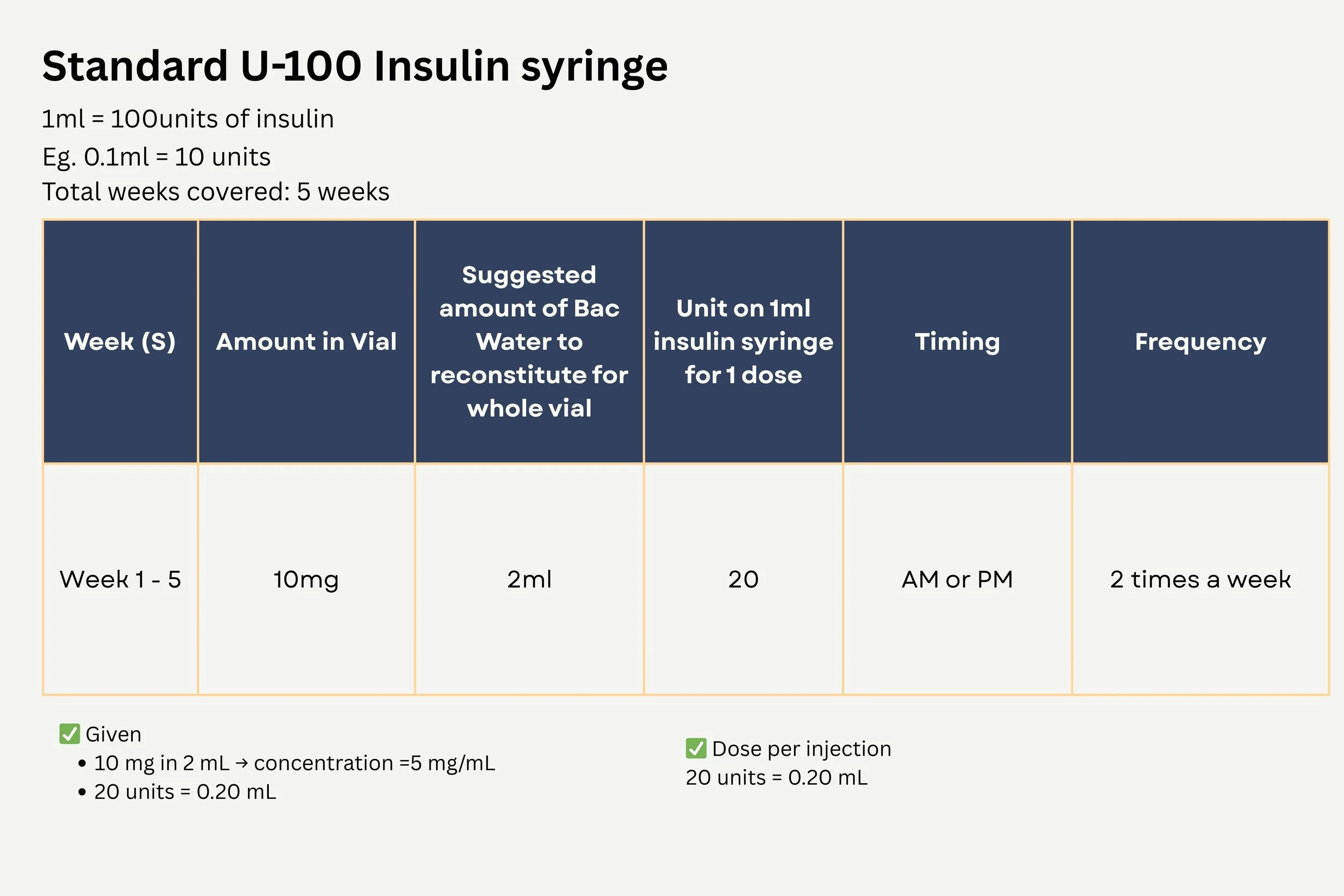
Dosing & Reconstitution Guide
Educational guide for reconstitution and weekly dosing