 Image 1 of 1
Quick Start Highlight
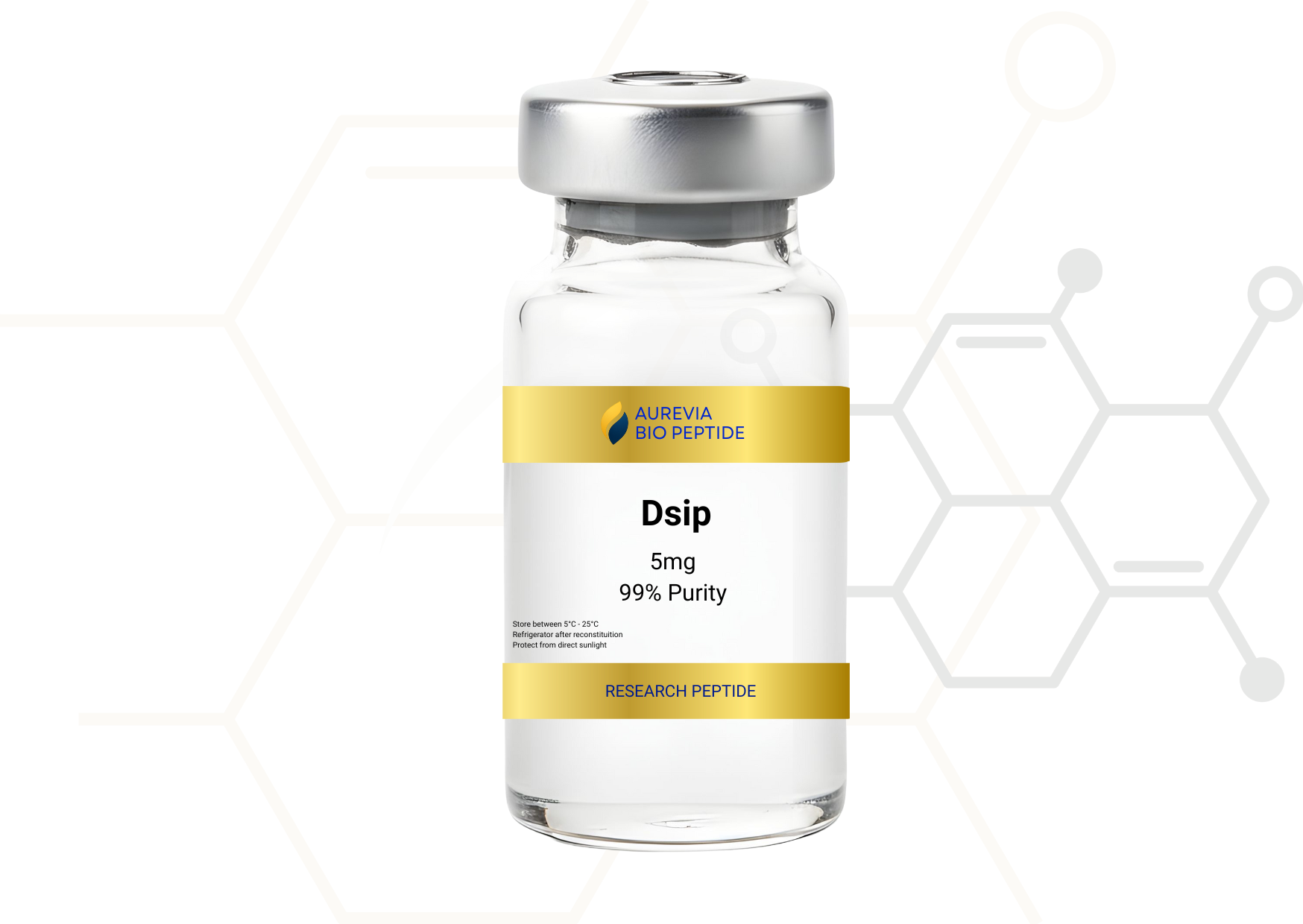
DSIP, short for Delta Sleep-Inducing Peptide, is a naturally occurring neuropeptide first identified in the early 1970s by Swiss researchers studying sleep regulation. It was originally isolated from the blood of rabbits that had been induced into slow-wave (delta) sleep, which is how it got its name.
Classification: DSIP is a small peptide with a sequence of only nine amino acids, making it relatively short and simple compared to other peptides.
Role in the body: It has been linked to the regulation of sleep cycles, modulation of stress hormones like cortisol, and even influence over pituitary hormone release (such as LH and GH).
Synthetic form: While DSIP occurs naturally in small amounts, the versions used in research and supplementation are synthetically produced to mimic the body’s own peptide.
Primary interest: Most research has centered around its effects on deep sleep, recovery, and stress regulation, though some studies also hint at roles in pain modulation and immune function.
Although DSIP is not fully understood, its discovery suggested that sleep quality could be influenced at the peptide level, opening the door to new approaches for recovery and performance.
Benefits of DSIP
Even though DSIP is still considered experimental, its potential benefits extend beyond just sleep. Research and anecdotal reports suggest it may impact rest, recovery, stress, and overall performance.
Sleep Quality & Recovery
Deeper, restorative sleep: DSIP is most noted for promoting slow-wave (delta) sleep, the phase associated with physical recovery, memory consolidation, and hormonal balance.
Reduced nighttime waking: Users often report fewer awakenings during the night, leading to a more continuous and restful sleep cycle.
Supports recovery: By improving sleep depth, DSIP indirectly enhances muscle repair, tissue healing, and athletic recovery.
Stress & Hormone Regulation
Cortisol balance: DSIP may help normalize stress hormone levels, making it useful for individuals dealing with chronic stress or overtraining.
Growth hormone support: Some studies show DSIP may influence GH secretion, which plays a key role in recovery, fat metabolism, and lean tissue maintenance.
Mood stabilization: By regulating sleep and stress, DSIP may contribute to improved mood, mental clarity, and focus.
Potential Secondary Benefits
Pain management: Early studies suggest DSIP might have analgesic properties, possibly reducing pain perception.
Immune function: By supporting restorative sleep, DSIP indirectly benefits the immune system, which depends on adequate deep sleep for optimal function.
Anti-aging potential: Improved sleep and hormone regulation make DSIP attractive in longevity and wellness research.
How Does DSIP Work?
DSIP’s exact mechanisms are still being studied, but evidence suggests it influences several key systems in the body that regulate sleep, stress, and hormone balance. Rather than acting like a sedative, DSIP appears to work by normalizing patterns of rest and recovery.
Sleep regulation: DSIP has been shown to promote slow-wave (delta) sleep, the deepest and most restorative stage of the sleep cycle. Unlike melatonin, which mainly regulates sleep-wake timing, DSIP seems to impact sleep depth and quality.
Stress hormone modulation: Research indicates DSIP can reduce cortisol levels when elevated, helping balance the body’s stress response. This makes it particularly interesting for athletes and high-stress individuals.
Hormonal influence: DSIP has been linked to changes in LH (luteinizing hormone) and GH (growth hormone) release, suggesting a possible role in recovery, repair, and reproductive health.
Neurological effects: Some studies propose that DSIP interacts with GABAergic and NMDA receptor systems, both of which are central to relaxation, mood regulation, and sleep induction.
Pain and recovery: Early evidence also suggests DSIP might have analgesic (pain-reducing) properties, possibly through its effects on stress and nervous system regulation.
In short, DSIP doesn’t “knock you out” like a sleeping pill. Instead, it appears to optimize the natural architecture of sleep while also supporting stress and recovery systems that affect overall performance and health.
Potential Side Effects
Daytime drowsiness: Since DSIP may deepen slow-wave sleep, some users report feeling groggy if dosing is too high or mistimed.
Headaches or dizziness: Mild neurological side effects can occur, especially in those sensitive to peptides affecting neurotransmitter systems.
Hormonal fluctuations: Because DSIP may influence LH and GH release, there’s potential for downstream hormonal shifts, though data is limited.
GI discomfort: Nausea or stomach upset has been occasionally noted in anecdotal reports.
Dosing & Reconstitution Guide
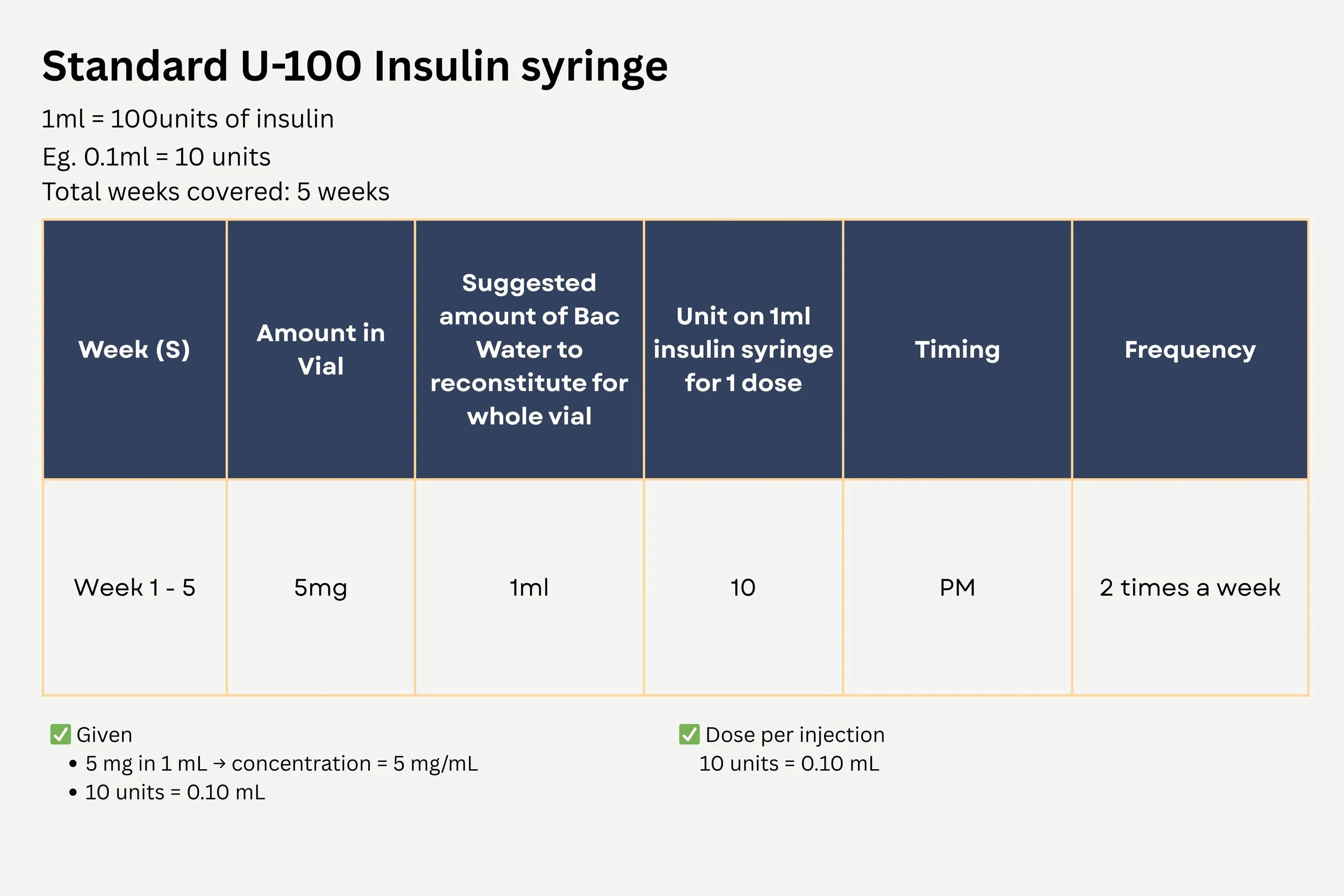
Educational guide for reconstitution and weekly dosing